
22 August 2026
How to Prevent Freezer Burn and Keep Frozen Food in Better Condition
By OpenClip
Freezer burn is mainly a quality problem caused by moisture leaving exposed frozen food. Learn how careful cooling, portioning, airtight packing and steady freezer temperatures can help protect texture and flavour.
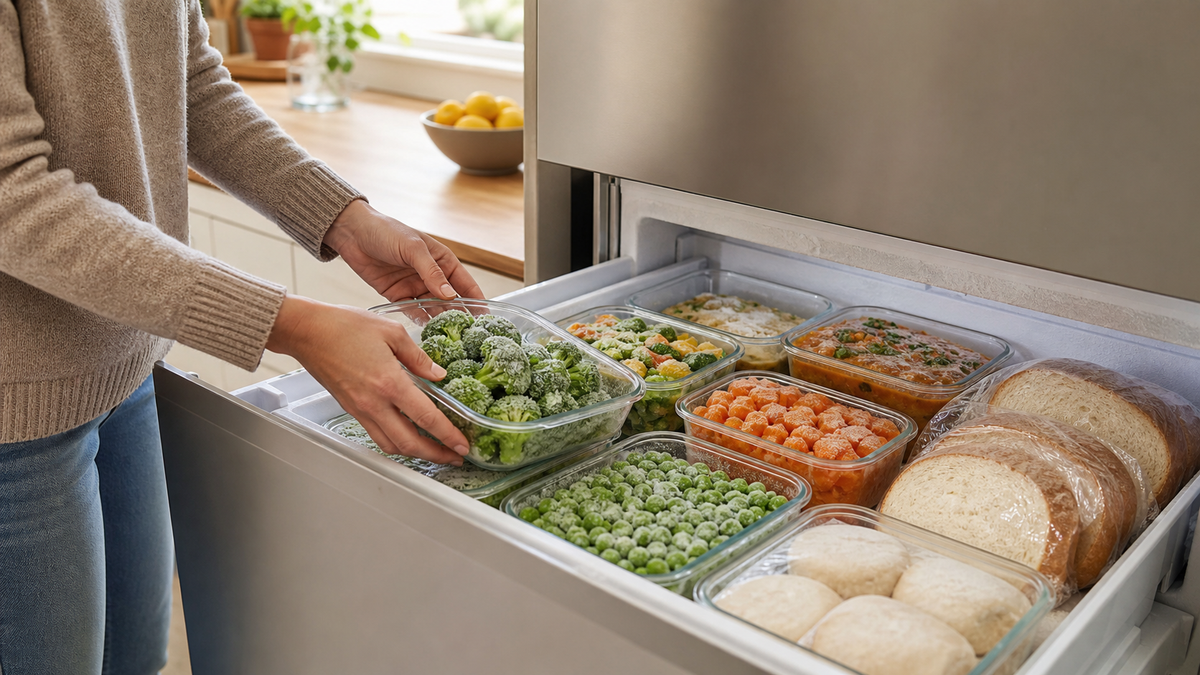
Freezer burn happens when frozen food loses moisture to the cold, dry air inside a freezer. It usually appears as pale, dry or leathery patches and can affect flavour and texture. The practical solution is to limit air exposure, freeze food promptly in useful portions, and keep the freezer reliably cold. Freezer-burned food is not automatically unsafe, but any food with signs of spoilage or an uncertain storage history should be discarded.
What causes freezer burn?
Freezer burn is dehydration at the surface of frozen food. Moisture in the food turns into ice, then gradually moves from the food into the surrounding air. This is more likely when packaging contains excess air, has a weak seal, is damaged, or is opened repeatedly.
Temperature changes can make the problem worse. When food warms slightly, ice crystals may melt and reform. Repeated fluctuations can damage texture and encourage moisture migration, especially around the surface. This is one reason food stored near a frequently opened freezer door may not keep its quality as well as food placed deeper inside.
Is freezer-burned food safe to eat?
Freezer burn is generally a quality issue rather than proof that food is unsafe. Affected areas may be dry, tough or less flavourful. You can sometimes trim a small dry patch before or after cooking, depending on the food.
However, freezing does not make unsafe food safe, and it does not reliably destroy all harmful microorganisms. Discard food if it has an unusual odour after thawing, visible mould, damaged or leaking packaging, or if you cannot be confident that it stayed frozen. When a power outage or appliance fault is involved, follow current food-safety advice from your state or territory authority rather than judging by appearance alone.
Cool cooked food safely before freezing
Divide cooked food into shallow portions so it cools efficiently, then refrigerate or freeze it without leaving it at room temperature for an extended period. Do not place a large, steaming pot straight into the freezer: it can warm nearby food and may freeze unevenly.
Use clean utensils and containers throughout. If you are packaging cooked food, keep it separate from raw meat, poultry and seafood to reduce the chance of cross-contamination.
Freeze food in practical portions
Smaller portions usually freeze more evenly, thaw more predictably and reduce the need to reopen a large pack. Think about how the food will be used before packing it.
- Proteins: portion into the amount needed for one meal.
- Soups and sauces: divide into single-meal or single-serve quantities and leave suitable expansion space in rigid containers.
- Fruit: freeze pieces in a single layer first if you want to remove a small amount at a time.
- Baked goods: separate slices or portions so they do not need to be thawed together.
Flatter packs can also freeze and thaw more evenly than thick, bulky shapes. Avoid overfilling, because a strained closure is harder to seal reliably.
Reduce the amount of air around the food
Air exposure is the main packaging issue to solve. Choose freezer-suitable packaging that is intact and appropriately sized. With a rigid container, use the smallest practical size while allowing expansion where needed. With a freezer bag, arrange the food evenly and remove as much excess air as the system safely permits before sealing.
Reusable vacuum bags can be useful for compatible foods because they reduce the air surrounding the food. Check the valve, closure and bag surface before every use. Keep the sealing area clean and dry, and stop using a bag if it is punctured, split or no longer seals reliably. Explore reusable vacuum bag options designed for portioned food storage.
Vacuum storage does not replace refrigeration, freezing, hygiene or safe cooking. It also does not make every food suitable for extended storage. Follow the appliance and bag instructions, and use established food-safety guidance for the specific food.
Protect the seal from sharp edges and liquids
Bones, hard crusts and sharp frozen corners can puncture flexible packaging. Cover exposed sharp points with a small piece of suitable food-safe material, or choose a rigid freezer container when puncture risk is high.
For soups, marinades and other liquids, use a container designed to allow expansion or pre-freeze the food in a suitable container before transferring it, if your storage system permits. Do not allow liquid to interfere with a bag valve or closure. A clean, flat sealing surface is essential.
Label every pack before it goes into the freezer
A simple label reduces guesswork and unnecessary opening. Record the food name, freezing date and, when useful, the number of portions. Use a freezer-safe marker or label that remains legible at low temperatures.
Rotate older food towards the front and place newer food behind it. This first-in, first-out habit helps you use food while its eating quality is still good. Storage time varies by food, preparation method, freezer performance and packaging, so consult reliable Australian food-safety guidance rather than relying on one universal timeframe.
Keep the freezer cold and organised
Aim for a stable freezer temperature of about −18°C, and check the manufacturer’s instructions for your appliance. A simple freezer thermometer can help reveal temperature changes that may not be obvious.
- Minimise long door openings.
- Allow cold air to circulate around food.
- Do not block internal vents.
- Check that the door closes fully and the seal is clean.
- Leave enough space to see and retrieve packages without a long search.
A reasonably stocked freezer can maintain temperature efficiently, but tightly packing every gap may restrict airflow. Follow the layout guidance for your appliance.
Thaw food in a controlled way
Thaw frozen food in the refrigerator, use a microwave when the food will be cooked immediately, or follow another recognised safe method for that food. Avoid thawing perishable food on the kitchen bench. Keep thawing raw foods contained so drips cannot reach ready-to-eat items.
Only remove the portion you need. Repeated thawing and refreezing can reduce quality and may create a food-safety risk if the food spends too long at unsafe temperatures. If plans change, check authoritative guidance for the food and its temperature history before refreezing.
A quick freezer-burn prevention checklist
- Start with fresh food and clean equipment.
- Cool cooked food promptly and safely.
- Divide food into useful, even portions.
- Choose intact freezer-suitable packaging.
- Remove excess air and make a complete seal.
- Protect flexible packaging from sharp edges.
- Label the food and freezing date.
- Keep the freezer close to −18°C with good airflow.
- Use older packages first and thaw food safely.
The practical takeaway
Preventing freezer burn is less about one special container and more about a repeatable routine. Portion food thoughtfully, minimise the air around it, seal it carefully, label it clearly and keep the freezer temperature stable. These steps cannot preserve food indefinitely, but they can help frozen meals and ingredients retain better texture and flavour until you are ready to use them.