
21 August 2026
How to Portion a Bulk Grocery Shop for the Fridge and Freezer
By OpenClip
A practical system for turning a bulk grocery shop into useful fridge and freezer portions without creating clutter or forgotten food.
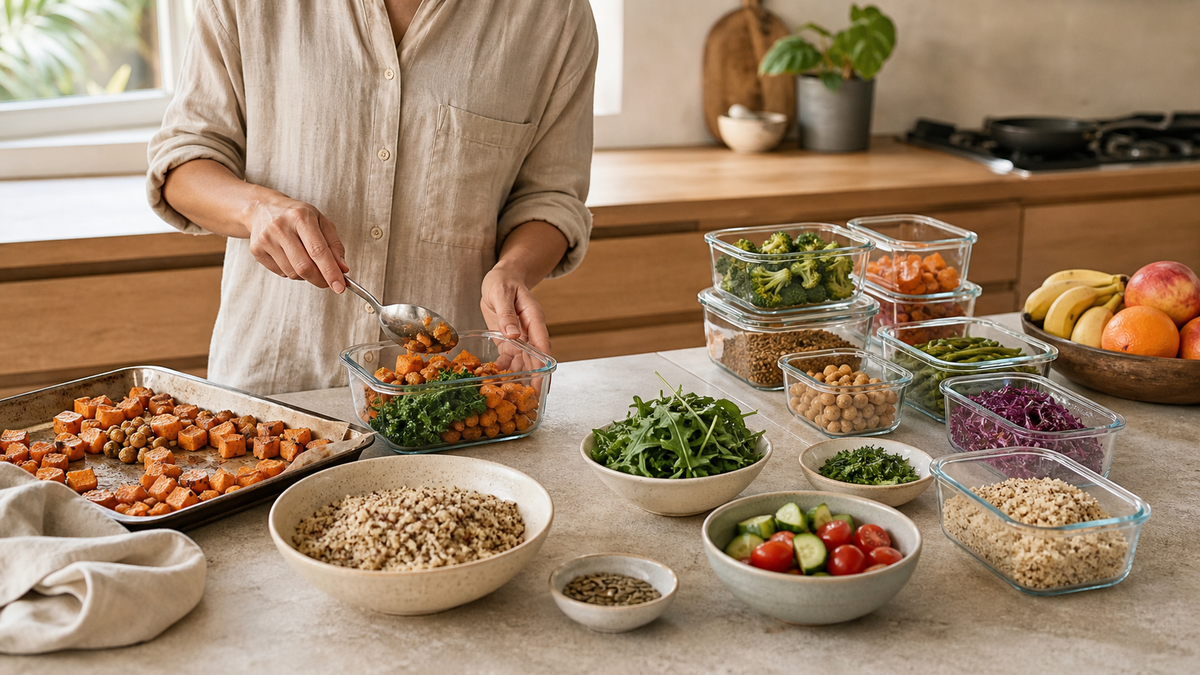
To portion a bulk grocery shop successfully, decide how each food will be used before opening it, divide it into realistic meal-sized amounts, label every portion and keep a simple freezer inventory. Prioritise safe temperature control throughout the process, and avoid buying more than your household can store, rotate and use.
Is bulk buying always a good way to reduce waste?
No. Bulk buying is useful only when the food suits your household, storage space and meal habits. A lower unit price does not help if part of the purchase becomes unsafe, loses quality or is forgotten.
Before buying a large pack, ask four questions:
- Do we already use this food regularly?
- Can it be stored safely in the space available?
- Will we use each portion without reopening the rest?
- Can we label and rotate it clearly?
Start with familiar ingredients rather than an unusually large quantity of something new. Durable dry goods, frequently used frozen ingredients and proteins that can be divided promptly are often easier to manage than delicate produce bought without a meal plan.
Check your storage space before shopping
Review the refrigerator, freezer and pantry before writing the list. Remove expired food, identify what should be used soon and measure the genuinely available space rather than assuming another large pack will fit.
A freezer needs room for air circulation according to its manufacturer’s instructions. Compressing packages into every gap can hide older food and make the inventory difficult to manage. Leave enough working space to see labels and retrieve a portion without unloading an entire shelf.
Check the appliance temperature and follow current Australian food-safety guidance. Chilled food should generally be kept at 5°C or below, while frozen food should remain properly frozen. Appliance settings, loading and ambient conditions can affect performance.
Create a portion plan before opening the pack
Decide what the bulk item will become while it is still sealed. Instead of dividing everything into identical amounts, match portions to real uses.
For example, a family may need:
- two dinner-sized portions;
- one smaller lunch portion;
- one portion for a particular recipe;
- one amount to use immediately.
Write the plan down. This prevents guesswork once the food is spread across the bench and reduces the time perishable ingredients spend outside refrigeration.
Prepare clean containers, bags, labels and utensils before starting. If raw meat, poultry or seafood is involved, keep its work area and tools separate from ready-to-eat food.
How large should a freezer portion be?
A useful freezer portion is the amount you can thaw, cook and eat without needing to refreeze or repeatedly handle the remainder. It should also fit the recipe and heating method you normally use.
Single-person households may prefer smaller portions, while families may need one pack per dinner. Ingredients used in small amounts—such as grated cheese, stock or chopped herbs—may be better divided by cup, handful or recipe quantity.
Avoid making portions so small that packaging and labelling become unmanageable. The goal is a practical balance between flexibility and a freezer full of mystery parcels.
Keep cold food cold while portioning
Work efficiently and return perishable food to refrigeration or freezing promptly. Do not leave the entire purchase on the bench while completing unrelated preparation.
For a very large shop, portion one category at a time. Keep the rest chilled until its turn. Use clean hands, utensils and surfaces, and wash hands after handling raw animal products.
Food that has thawed or warmed requires particular care. Follow recognised guidance for the specific food and do not refreeze it simply because it still feels cool. When safe handling cannot be confirmed, do not take a risk.
Choose storage that matches the food
Rigid containers protect foods that can be crushed or contain substantial liquid. Flexible bags can be useful for compatible foods that benefit from flat, compact portions. Whatever you use should be food-safe, suitable for the intended temperature and in good condition.
Reusable vacuum bags can help organise suitable foods and remove bulky air around some portions. Leave the closure and valve clean, avoid overfilling and follow the bag instructions. Vacuum sealing does not sterilise food or make perishable ingredients shelf-stable.
If you need several sizes for different portions, compare the Openclip reusable vacuum bag range. Choose the smallest size that holds the food comfortably without crowding the closure.
Why flat freezer portions are useful
When the food and container allow it, spread a flexible portion into an even layer before freezing. A flat shape can be easier to stack, label and thaw than a dense bundle.
Do not flatten delicate food aggressively or force liquid towards a closure or valve. Soups and very wet dishes are often better frozen in an appropriate rigid container, or pre-frozen safely before transfer where the product instructions permit.
Freeze portions in a single layer until firm, then arrange them vertically or in labelled groups if your freezer design allows. Keep raw food separated from ready-to-eat items throughout storage.
What should every freezer label include?
At minimum, add the food name and packing date. Include the amount and intended use when that information will help later.
Useful labels look like:
- “Chicken thigh — 2 dinner portions — 20 Aug”
- “Cooked lentils — 2 cups — soup”
- “Roast vegetables — lunch bowl — 20 Aug”
A label should remain readable at freezer temperatures and should not damage a reusable bag. Follow the storage product’s instructions for markers or removable labels.
Keep a simple freezer inventory
An inventory does not need an app or complicated spreadsheet. Use a note on your phone, a small whiteboard or a sheet near the freezer. Record broad categories and quantities, then subtract portions as they are used.
Group similar food together and place older items where they are easiest to reach. Check the inventory before shopping and before planning the week’s meals.
Once a month, choose one or two meals specifically from what is already frozen. This creates regular rotation without turning dinner into an emergency freezer clear-out.
A 30-minute bulk-shop routine
- Five minutes: clear a clean work area and set out storage, labels and utensils.
- Five minutes: decide portion sizes and write each label before handling food.
- Fifteen minutes: divide one chilled category at a time, keeping other perishables cold.
- Five minutes: seal, check, freeze promptly and update the inventory.
The actual time varies with the food and quantity. If the job is too large to complete safely, buy a smaller amount or prepare it in separate sessions while the remainder stays properly chilled.
Common bulk-portioning mistakes
- Buying before checking space: crowded storage makes rotation difficult.
- Making every portion the same: match amounts to actual meals and recipes.
- Labelling later: write labels before portions become difficult to identify.
- Leaving perishables on the bench: work in small batches and return food to cold storage promptly.
- Overfilling bags: keep closures and valves clear.
- Forgetting the inventory: a short list makes existing food visible before the next shop.
Buy for the meals you will actually make
Bulk shopping works best as a storage and meal-planning decision, not simply a price decision. Check capacity, choose familiar foods, divide them into useful amounts and create labels that make the next step obvious. A smaller bulk purchase that is fully used is more practical than a larger one that overwhelms the freezer.
Food-safety note: This article provides general organisation guidance. Follow appliance instructions, food labels, use-by dates and current Australian food-safety advice. If safe storage, thawing or temperature control cannot be confirmed, do not consume the food.