
13 August 2026
Camping Food Storage: A Practical Packing and Safety Guide
By OpenClip
Pack a safer, calmer camp kitchen with practical guidance for meal planning, cold storage, campsite organisation and bringing leftovers home.
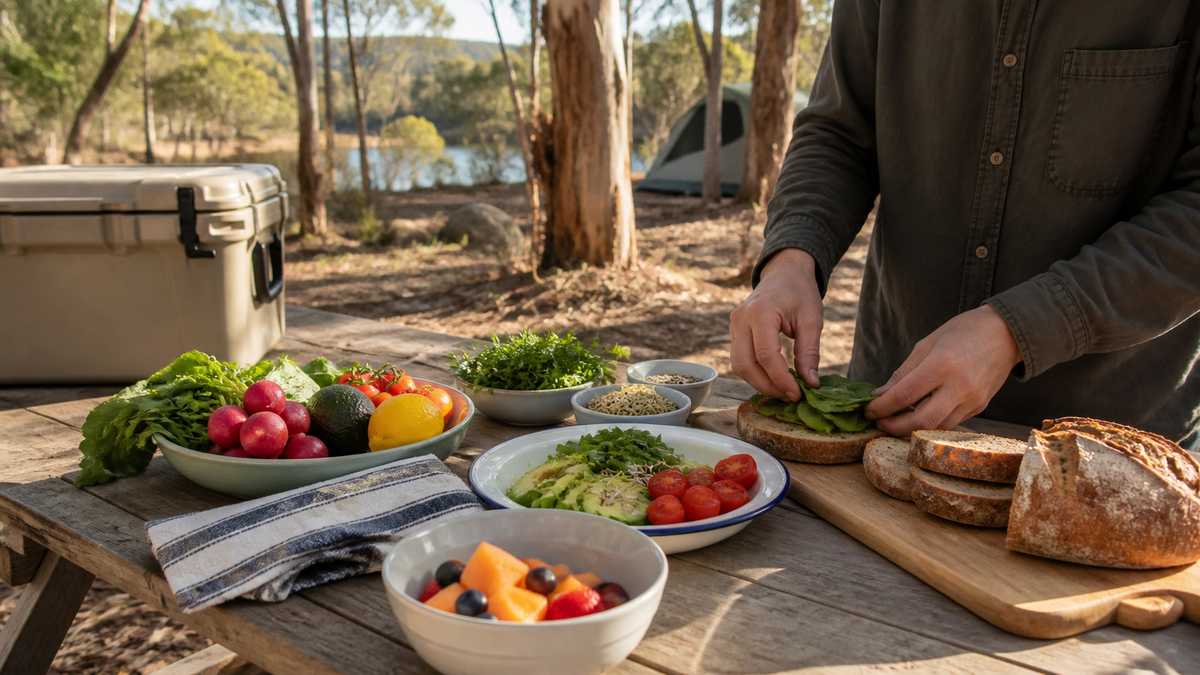
Good camping food storage starts before you leave home. Plan meals around your trip length and available refrigeration, pack raw and ready-to-eat foods separately, keep chilled food cold, and organise ingredients by when you will use them. Vacuum storage can help with portions and packing, but it never replaces temperature control or safe food handling.
How should you plan food for a camping trip?
Plan each meal, snack and drink against the number of people, the weather, your cooking equipment and reliable access to ice or refrigeration. Choose shelf-stable foods for later in the trip and reserve the most perishable ingredients for meals you will cook early.
A simple meal list prevents overpacking and makes it easier to estimate cooler space. Write down breakfast, lunch, dinner and snacks for each day, then combine ingredients that can work across several meals. Tortillas, for example, can support breakfast wraps, packed lunches and a final-day meal without taking up much room.
Check preparation instructions before shopping. If a meal needs a large pot, long cooking time or several utensils, decide whether it is realistic at your campsite. Fewer steps mean less handling, washing and time spent with chilled food outside the cooler.
What foods are easiest to take camping?
The easiest camping foods are durable, simple to portion and appropriate for your storage setup. Shelf-stable staples reduce pressure on cooler space, while pre-portioned chilled ingredients can make the first meals quick to assemble.
Shelf-stable options
- Oats, rice, pasta and couscous
- Tinned beans, fish and vegetables
- Whole fruit that travels well
- Nuts, seeds and dried fruit
- Unopened shelf-stable sauces and condiments
Chilled options
- Pre-cut vegetables that have been washed, dried and refrigerated promptly
- Cheese and other dairy products kept at a safe chilled temperature
- Raw meat or seafood packed leak-proof and completely separate from ready-to-eat food
- Cooked meals chilled safely before packing and kept cold throughout transport
Always follow the product label and current Australian food-safety guidance. Some foods that look durable still require refrigeration after opening.
How do you organise a camping cooler?
Use separate zones for raw food, ready-to-eat food and drinks. A dedicated drinks cooler can reduce how often the food cooler is opened. Pack food in the reverse order you expect to use it, placing later meals lower and the first meal near the top.
Begin with food that is already thoroughly chilled or frozen. Use sufficient ice, frozen blocks or another reliable cooling method, and keep the cooler shaded and closed as much as possible. A fridge thermometer can help you confirm that chilled food remains at 5°C or below rather than relying on how cold the container feels.
Raw meat and seafood should be securely wrapped or contained so juices cannot contact fruit, vegetables, cooked food or other ready-to-eat items. Keep them in a low, isolated section of the cooler. If a package leaks, treat nearby exposed food cautiously and clean the cooler before reuse.
Where can reusable vacuum bags help?
Reusable vacuum bags can help portion compatible ingredients, reduce bulky air around suitable foods and keep meal components organised. They are useful for dry ingredients, some prepared vegetables, pre-portioned freezer items and foods you want to separate by meal.
Label each bag with its contents, packing date and planned meal. A label such as “Day 2 dinner — add to pan” is more useful at camp than a generic ingredient name. Avoid overfilling, keep the closure and valve clean, and follow the bag manufacturer's care instructions.
Vacuum sealing does not sterilise food or make perishables safe at room temperature. Chilled and frozen foods still need continuous temperature control. Do not vacuum-pack warm food; cool cooked food safely first and transfer it promptly to refrigeration or freezing.
If you are choosing a setup for trips away, explore the ClipOne range and match bag sizes to the portions you normally pack rather than filling every available space.
How can you prepare ingredients safely at home?
Do the messiest work in a clean home kitchen where handwashing, refrigeration and sanitising are easier. Portion ingredients, prepare marinades and chop sturdy vegetables before departure, but avoid unnecessary handling of delicate foods.
- Clean: Wash hands, benches, knives and boards before beginning.
- Separate: Use different utensils or thoroughly clean them between raw animal products and ready-to-eat foods.
- Cool: Refrigerate prepared ingredients promptly; do not leave perishables on the bench while completing the rest of the packing.
- Label: Add the food name, date and intended meal.
- Load last: Put cold food into the cooler immediately before departure.
Wash reusable bags according to their care instructions and allow them to dry completely before storage. Consider reserving specific bags for raw animal products so they are not confused with bags used for ready-to-eat food.
What does a practical camp-kitchen layout look like?
Create three small areas: food preparation, cooking and washing. Keep the washing area away from food preparation, and store rubbish where animals cannot access it. Use clean water for food preparation and handwashing; do not assume untreated creek, river or tank water is safe to consume.
Keep utensils off the ground and protect food from insects, dust and wildlife. Never leave food unattended in a tent or open vehicle where local wildlife can reach it. Follow campsite rules for food storage, fires, waste and wildlife, as requirements vary by location.
What should you do with leftovers at camp?
Only keep leftovers if they have been handled safely and can be chilled promptly. Transfer them into a clean container, label them and return them to reliable cold storage. If food has spent too long in unsafe temperature conditions, or you cannot verify how it was handled, discard it rather than taking a risk.
Reheat suitable leftovers thoroughly and only when you plan to eat them. Do not repeatedly warm and cool the same meal. Smell and appearance cannot reliably confirm that food is safe.
A quick camping food-storage checklist
- Plan every meal and confirm your cooking equipment.
- Check which foods require refrigeration before and after opening.
- Chill or freeze food fully before loading the cooler.
- Separate raw food from ready-to-eat food.
- Pack enough ice or reliable powered refrigeration.
- Bring a fridge thermometer, clean water, soap and paper towel.
- Label portions by meal and date.
- Keep the cooler shaded, organised and closed.
- Store food and rubbish securely from wildlife.
- Discard food when safe storage cannot be confirmed.
Pack for the conditions, not just the menu
A successful camp kitchen is not the one with the most elaborate meals. It is the one that fits the weather, trip length, refrigeration and cooking facilities available. Prioritise temperature control and separation first, then use portioning and reusable storage to make meals easier to find and prepare.
Food-safety note: This article provides general planning and storage information. Conditions vary between campsites and trips. Follow food labels, campsite requirements and current advice from Australian food-safety authorities. When safe temperature or handling cannot be confirmed, do not consume the food.