
20 September 2026
How to Make Time for a Creative Hobby Without Rushing
By OpenClip
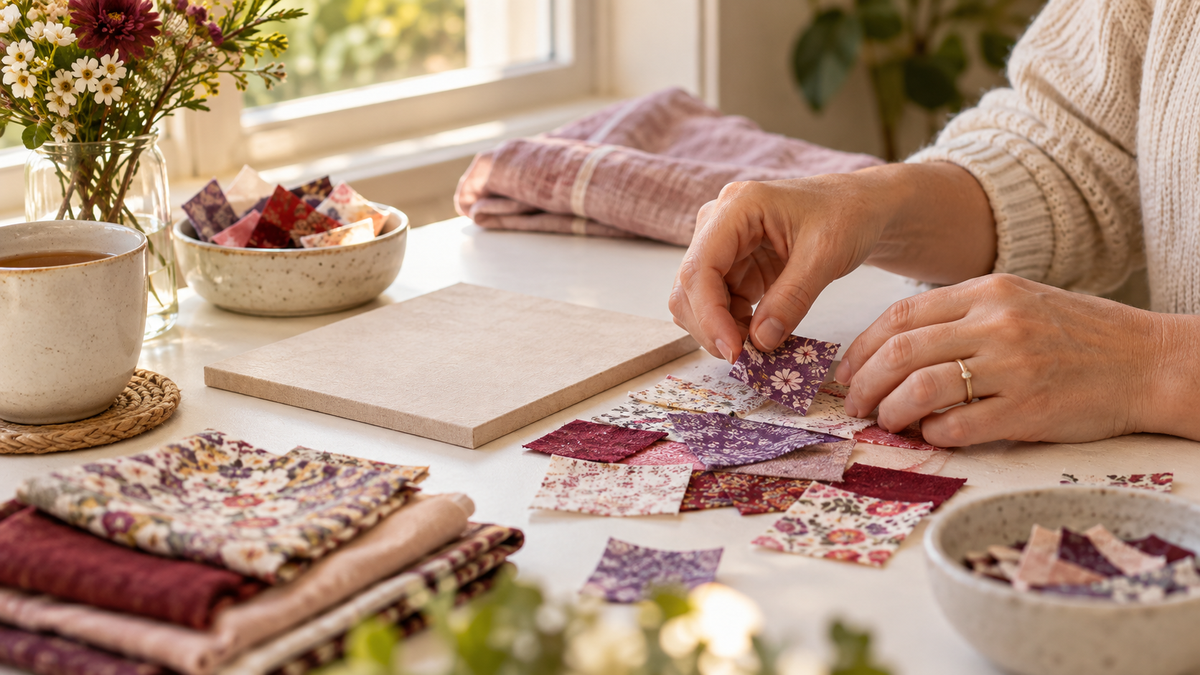
You do not need an empty afternoon to enjoy a creative hobby. A small, repeatable pocket of time can be enough: choose one project, prepare a simple workspace, decide on a natural stopping point and let yourself return later. The goal is not to finish quickly. It is to make starting feel easy and give the process room to be enjoyable.
Start with time you genuinely have
A creative routine is easier to keep when it fits real life. Instead of waiting for a perfect free day, look for a manageable part of the week: half an hour after dinner, a quiet Sunday morning or the time between errands. Treat it as an invitation rather than another appointment you can fail.
Begin by choosing a window that already feels relatively calm. If evenings are unpredictable, a weekend session may suit you better. If you like short bursts of attention, set up for a small step rather than an entire project. Craft should not become a race against the clock.
Choose one project, not a pile of possibilities
Too many options can make a creative break feel like another decision-making task. Pick one design that catches your eye and place everything else out of view. A defined project gives your hands somewhere to begin while still leaving room for personal choices about colour, pace and finish.
The Kinusaiga Fabric Art Kit offers a range of fabric-art designs, so you can start with a subject you would enjoy seeing take shape. Check the current product page for the exact design, contents and tools associated with your selected kit rather than assuming every craft project is assembled in the same way.
Make the first five minutes about setup
A calm session begins with a clear surface and a place for each item. You do not need a dedicated studio. A dining table, desk or portable tray can work when it is stable, well lit and free from food, drinks and unrelated clutter.
Before starting:
- Read the product information and available project guidance.
- Check which tools are included and which items, if any, you need to provide.
- Arrange fabric pieces so colours and patterns are easy to compare.
- Keep sharp tools closed or safely placed whenever they are not in use.
- Put a small container nearby for offcuts and loose pieces.
This short reset reduces the temptation to search through packaging halfway through a step. It also makes packing away much simpler.
Choose a stopping point before you begin
You are allowed to leave a craft unfinished. In fact, deciding where to pause can make a project easier to enjoy. Your stopping point might be completing one small area, preparing the next group of fabric pieces or simply working until your attention begins to wander.
Stop while the project still feels inviting. Place loose materials in separate containers, cover the work surface if needed and leave yourself a simple note about the next step. When you return, you will not have to reconstruct what you were doing.
Let progress be visible without measuring it
Creative satisfaction often comes from watching small decisions accumulate: one colour placed beside another, a shape becoming clearer or a section moving from flat materials to something with texture. Notice those changes without turning them into a productivity score.
A quick photo at the end of each session can help you see the project develop. It is also useful if you need to pack everything away between sessions. The photograph is a reference, not proof that you worked hard enough.
Create an easy return ritual
A routine becomes more welcoming when the next beginning is already prepared. Store the project board, fabric and tools together. Choose a container that keeps pieces from mixing, and place it somewhere accessible but protected from pets, children and accidental spills.
When you return, clear the table, bring out only the current project and look at your last photo or note. That small sequence tells your brain that it is making time, not catching up. Put on music, make a cup of tea or open a window if those details help the moment feel like yours.
Use craft as personal time, not a performance
There is no requirement to post the result, give it away or finish by a particular date. You can make because you like fabric, colour and the feeling of seeing something take shape. You can also change your mind, pause for a week or decide that one design is enough.
This is the useful side of kidult creativity: adults can enjoy tactile, playful projects without needing to justify them as productive or childish. A project can simply be interesting. The finished piece is lovely, but the time spent making it belongs to you as well.
When you want company instead
Personal creative time does not have to be solitary every time. Some projects are equally enjoyable around a shared table, especially when everyone can work at their own pace. If you want to turn the next session into a relaxed get-together, see our guide to hosting a craft night with friends.
Frequently asked questions
How much time do I need for a creative hobby?
There is no universal minimum. Choose enough time to set up, complete one small step and pack away safely. A shorter session that fits your week is often more useful than waiting indefinitely for a completely free day.
Is it okay to leave a Kinusaiga project unfinished?
Yes. Pause at a clear point, keep loose pieces organised and store tools safely. A note or progress photo can make it easier to continue without rushing.
Can craft help me unwind?
Many people choose craft as a pleasant way to slow down and focus on a hands-on activity. That is lifestyle framing, not a medical treatment or guaranteed stress result. Choose a pace and project that feel comfortable for you.
Do I need a dedicated craft room?
No. A stable, well-lit table and a container that keeps the project together are enough for many small projects. Protect the surface and keep sharp tools out of reach when stored.
How do I choose my first Kinusaiga design?
Start with a subject and colour combination you would enjoy looking at during the making process and after completion. Review the current product images and verified contents before choosing.
Ready to make a little time for something tactile and colourful? Explore the current Kinusaiga fabric-art designs and choose the one that catches your eye.